
Acoustic Underfloor Insulation
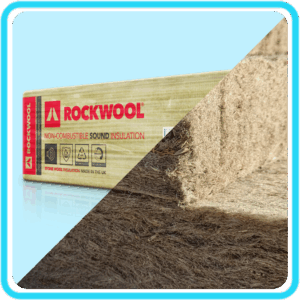
Acoustic Insulation for Suspended Timber Floors
Noise travelling through timber floors is a common issue in many homes, particularly where rooms are stacked above one another. Footsteps, voices, televisions, and general day-to-day activity can easily transfer through the structure of the floor, reducing privacy and comfort between living spaces.
Our acoustic floor insulation systems are designed to reduce this sound transfer by introducing high-density fibre insulation between the joists beneath the floorboards. This layer helps absorb airborne sound travelling through the floor structure while maintaining the natural ventilation required for suspended timber floors.
Depending on the property and the desired outcome, this may include high-density mineral wool such as Rockwool, or natural fibre alternatives such as hemp. Both materials help absorb sound within the floor cavity, but they behave slightly differently.
Mineral wool is a widely used, high-density insulation that offers strong and consistent acoustic performance. Hemp insulation provides similar sound absorption while also offering a more breathable structure, allowing moisture vapour to move more freely through the floor.
To further improve acoustic performance, a sound-deadening layer can also be installed above the floorboards before the final floor covering is laid. This helps reduce impact noise such as footsteps while allowing homeowners to choose any finish they prefer, from carpet and laminate to engineered wood or vinyl flooring.
How Acoustic Floor Insulation Works
Reducing sound transfer through timber floors requires more than simply adding insulation. Effective acoustic performance comes from combining materials that address both airborne noise and impact sound within the floor structure.
Our acoustic floor insulation approach uses high-density fibre insulation installed between the joists beneath the floorboards. This layer helps absorb airborne sound travelling through the floor cavity, reducing noise such as voices, televisions, or music passing between rooms.
Depending on the property and requirements, this may include traditional mineral wool or natural fibre materials such as hemp. Both options work by absorbing sound within the structure, helping to limit how easily it can travel through the floor.
To complement this, a sound-deadening layer can be installed above the floorboards before the final floor covering is fitted. This helps reduce impact noise caused by footsteps and everyday movement, creating a quieter living environment without restricting the choice of flooring.
This also includes how elements within the floor void interact with the structure itself. Electrical cabling, for example, can unintentionally transfer vibration or come into contact with insulation layers if not properly considered. During installation, we take care to route and manage these details appropriately, and where needed, protective wrapping can be used to help isolate cabling and reduce unwanted contact within the floor void.
View an example of cable protection detail
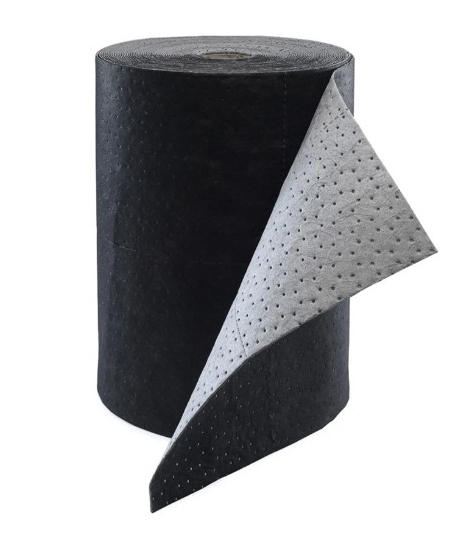
Together, these layers form a simple but effective acoustic system designed to improve privacy and comfort between floors while maintaining the ventilation requirements of suspended timber floors.
If you’re unsure whether acoustic or thermal insulation is the right choice, see our guide to underfloor insulation services for a full overview.
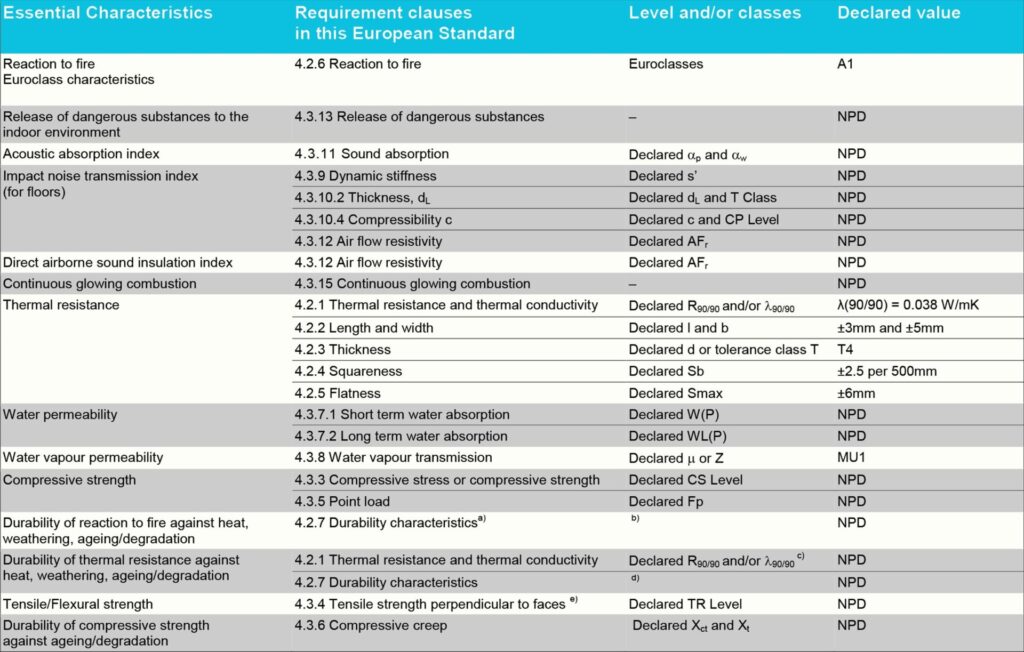
Example Acoustic Performance (Mineral Wool)
Understanding Sound Between Floors
Noise travelling through floors is influenced by far more than the insulation material alone. The structure of the floor, the spacing of joists, the type of floorboards, and the final floor covering all play a role in how sound moves through a home.
Unlike thermal insulation, acoustic performance depends on how different layers work together within the floor structure. Introducing materials that absorb airborne sound and reduce impact vibration helps limit how easily noise can pass from one room to another.
Understanding how sound travels through timber floors makes it possible to introduce simple improvements that significantly reduce everyday noise between living spaces.
Acoustic floor insulation in real homes: reducing everyday noise where it matters most
Considering Thermal Performance Instead?
If your main goal is improving warmth and energy efficiency rather than reducing sound transfer, our Thermal Underfloor Insulation service may be the better option. Systems such as premium Hybris insulation are designed specifically to improve heat retention within suspended timber floors, helping create a warmer and more energy-efficient home.
Learn more about our Thermal Underfloor Insulation solutions.
Book a Free Acoustic Underfloor Insulation Survey
Call us on 0800 002 9558
Email us at info@carbonzerosolutions.co.uk

© 2025 Carbon Zero Solutions Ltd — trading as The Insulation Guys. All rights reserved.
Where We Work
We operate nationwide across the UK, with the counties below representing just some of the areas we cover. Click any county to see full details on our Areas We Cover page.
* London projects are taken on a case-by-case basis depending on size and cost-effectiveness.
*Carbon Zero Solutions Ltd is an Introducer Appointed Representative (Financial Services Register No. 1032760) of Phoenix Financial Consultants Limited (Phoenix). Phoenix is a credit broker, not a lender. Phoenix is authorised and regulated by the Financial Conduct Authority (FRN: 539195), and offers finance from its panel of lenders. All finance subject to status and credit checks.