
Cavity Wall Insulation
Cavity wall insulation is one of the most common ways to improve the thermal performance of a home by reducing heat loss through external walls. Many UK properties built during the twentieth century were constructed using cavity walls, where a gap sits between the inner and outer layers of brickwork.
When this cavity is insulated correctly, it can help improve overall comfort within the home by slowing the movement of heat through the walls. Rooms may feel more stable in temperature, walls can feel less cold to the touch, and heating systems may not need to work as hard to maintain consistent conditions.
However, cavity wall insulation is only one part of how a property performs overall. Heat loss can also occur through roofs, floors, windows, and uncontrolled airflow, which is why insulation works best when considered as part of the wider structure of the home rather than as a standalone upgrade.
How Cavity Wall Insulation Works
Many cavity wall properties are built using two layers of brick or blockwork with a gap between them. This cavity helps separate the inside of the home from external weather conditions while also assisting with moisture management within the wall structure.
Without insulation, heat can still pass relatively easily through these walls. During colder periods, this can contribute to heat loss and colder internal wall surfaces, even when heating systems are running.
Cavity wall insulation works by filling this gap with an insulating material that slows the movement of heat through the structure. Depending on the property and installation method, this may involve materials such as mineral wool, bonded beads, or foam-based systems.
The goal is not to create heat, but to help retain the heat already being produced within the home. This can contribute to more stable internal temperatures and improved overall comfort throughout the property.
Because every building behaves differently, cavity wall insulation should always be considered alongside other areas of the home. For example, improvements such as loft insulation and underfloor insulation can also play a significant role in reducing heat loss and improving consistency throughout the property.
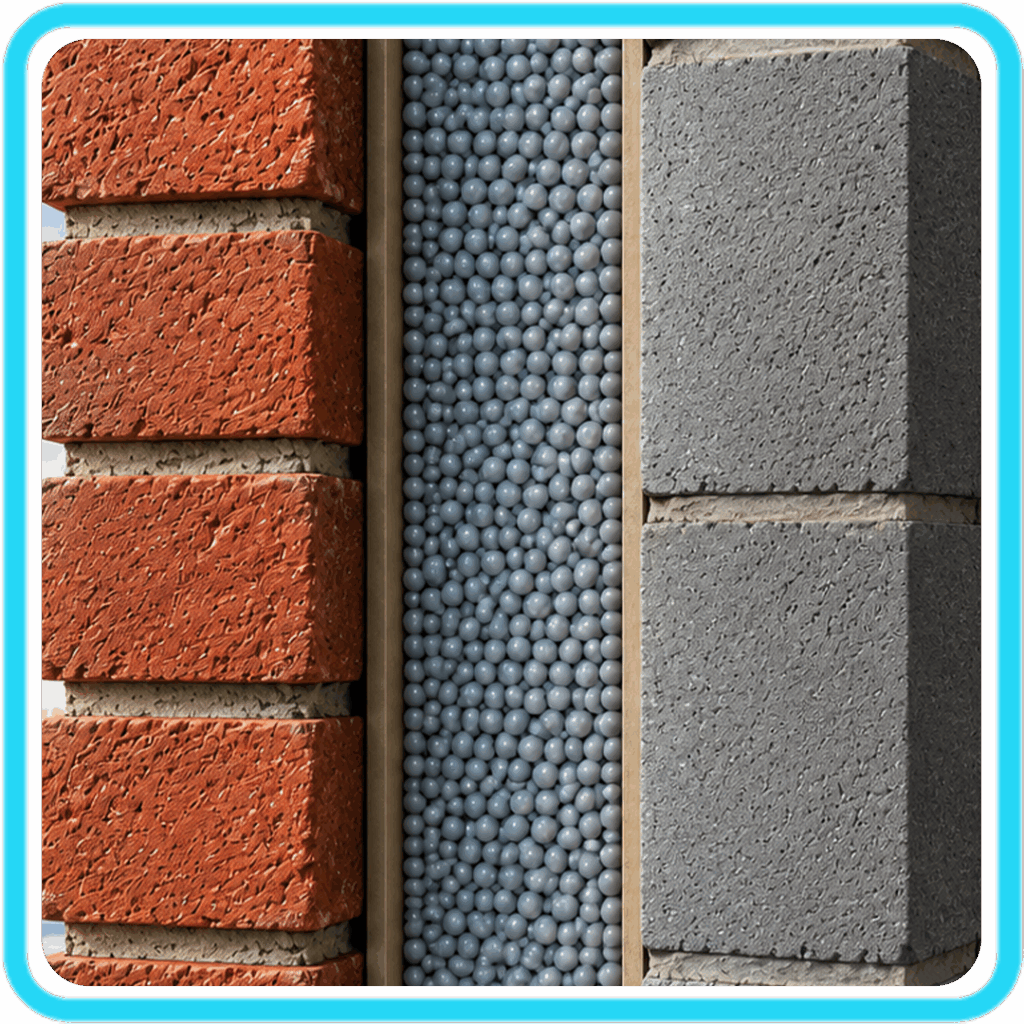
How Cavity Wall Insulation Improves Comfort
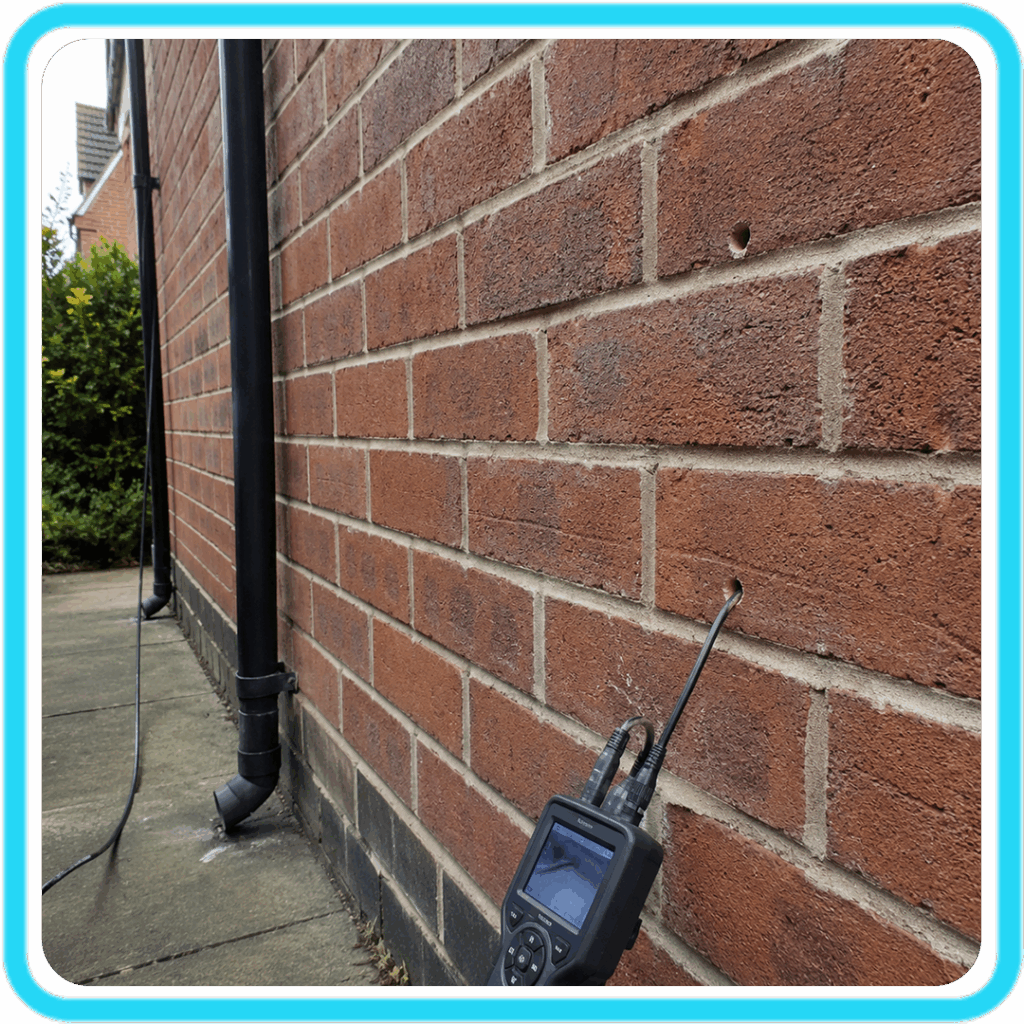
How Cavity Wall Insulation Improves Comfort
Cavity wall insulation is often discussed in terms of energy efficiency, but one of the biggest differences people notice is usually comfort within the home itself.
External walls have a major influence on how a room feels. In properties with uninsulated cavity walls, heat can move through the wall structure relatively easily, which may lead to colder wall surfaces and less consistent internal temperatures.
When insulation is introduced into the cavity, this movement slows down. Walls can feel less cold to the touch, rooms may retain heat more effectively, and the overall environment can become more stable throughout the day.
This does not necessarily mean the property becomes dramatically hotter. Instead, the space often feels more balanced and easier to maintain consistently, particularly during colder months when heat loss through external walls becomes more noticeable.
Like most insulation improvements, cavity wall insulation works best as part of a wider approach to how the home performs overall. Heat can also escape through roofs, floors, windows, and uncontrolled airflow, which is why combining improvements across multiple areas of the property often creates the most noticeable difference in overall comfort.
You’re Covered with an Insurance Backed Guarantee.
We include Insurance Backed Guarantees through HomePro on eligible installation services. That means your investment is protected even if the unexpected happens.

Cavity Wall Insulation FAQ
Cavity wall insulation is a material installed within the gap between the inner and outer walls of a property. Its purpose is to reduce heat movement through the wall structure and improve overall thermal performance within the home.
No. Many older properties built before the 1920s were constructed using solid walls instead of cavity walls. Whether cavity wall insulation is suitable depends on the type of construction used within the property.
In most cases, small holes are drilled into the external wall and insulation material is injected into the cavity. Once installed, the holes are sealed again so the external appearance of the property changes very little.
It can help reduce heat loss through external walls, which may improve temperature stability and overall comfort within the property. Many homeowners notice walls feeling less cold and rooms becoming easier to maintain consistently.
Walls are only one part of how a property loses heat. Roof spaces, floors, windows, and airflow also affect overall performance, which is why insulation improvements often work best as part of a wider approach.
Yes. By slowing the movement of heat through walls, cavity wall insulation can help reduce cold spots and create a more balanced indoor environment.
Many UK homes built during the twentieth century were constructed using cavity walls. Suitability depends on the construction and condition of the property, which is why surveys are important before installation.
Request A Survey
Book Your Free Insulation Survey Today
Call us on 0800 002 9558
Email us at info@carbonzerosolutions.co.uk


© 2025 Carbon Zero Solutions Ltd — trading as The Insulation Guys. All rights reserved.
Where We Work
We operate nationwide across the UK, with the counties below representing just some of the areas we cover. Click any county to see full details on our Areas We Cover page.
* London projects are taken on a case-by-case basis depending on size and cost-effectiveness.
*Carbon Zero Solutions Ltd is an Introducer Appointed Representative (Financial Services Register No. 1032760) of Phoenix Financial Consultants Limited (Phoenix). Phoenix is a credit broker, not a lender. Phoenix is authorised and regulated by the Financial Conduct Authority (FRN: 539195), and offers finance from its panel of lenders. All finance subject to status and credit checks.